How to Develop a Kids Travel Bed: 4 Product Decisions
A kids travel bed can look simple at first. Foam, fabric and a foldable shape do not appear particularly difficult to develop.
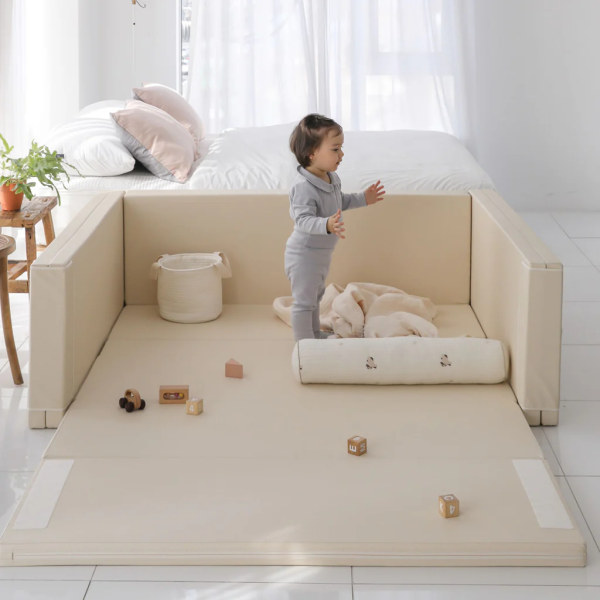
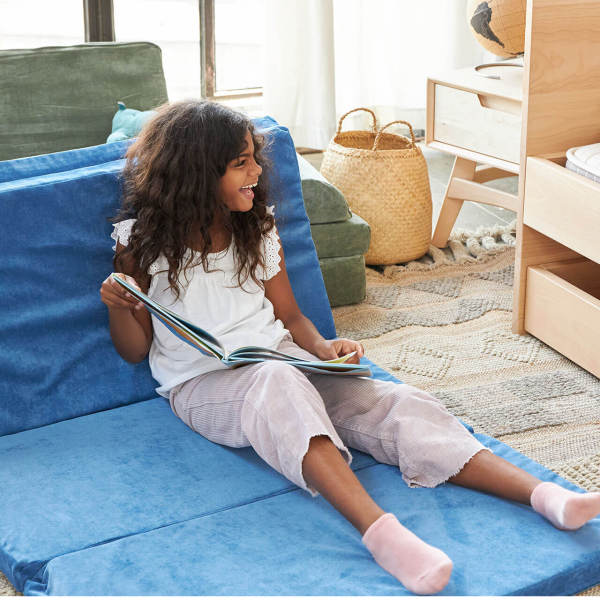
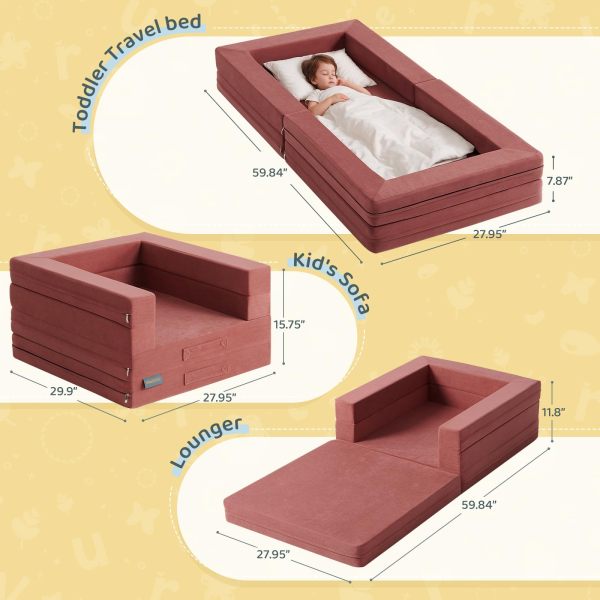
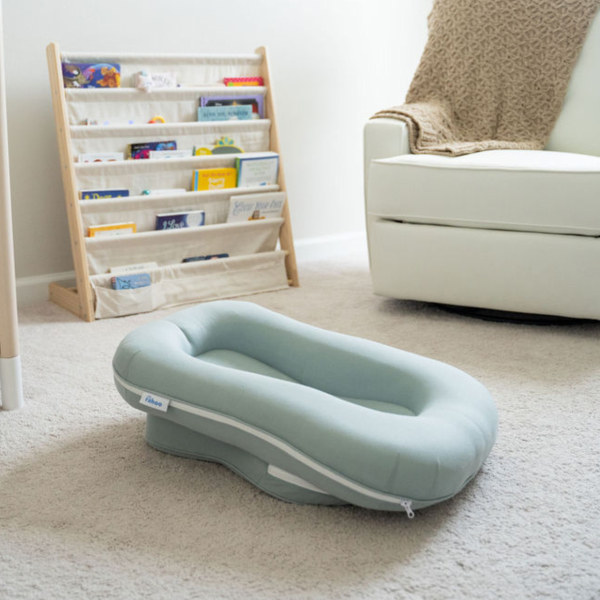
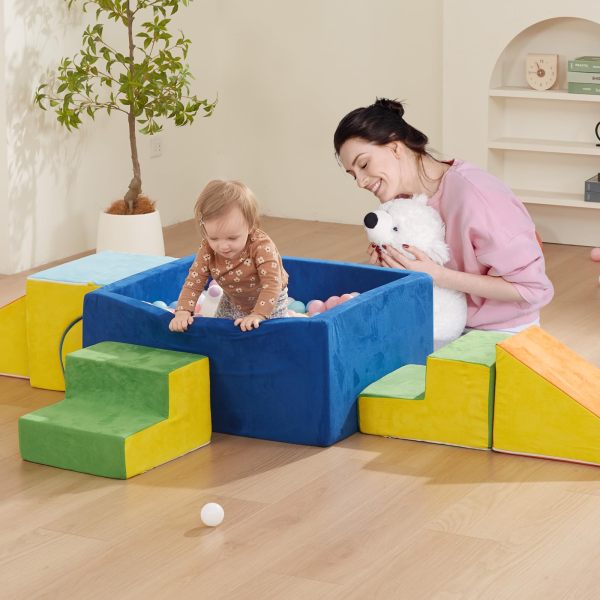
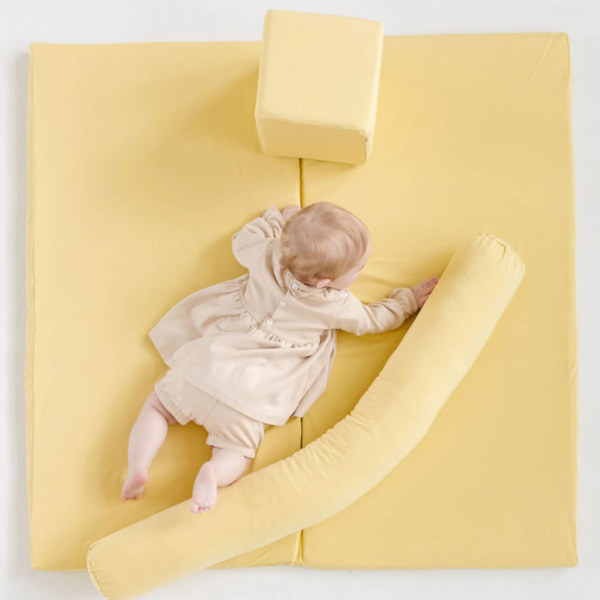
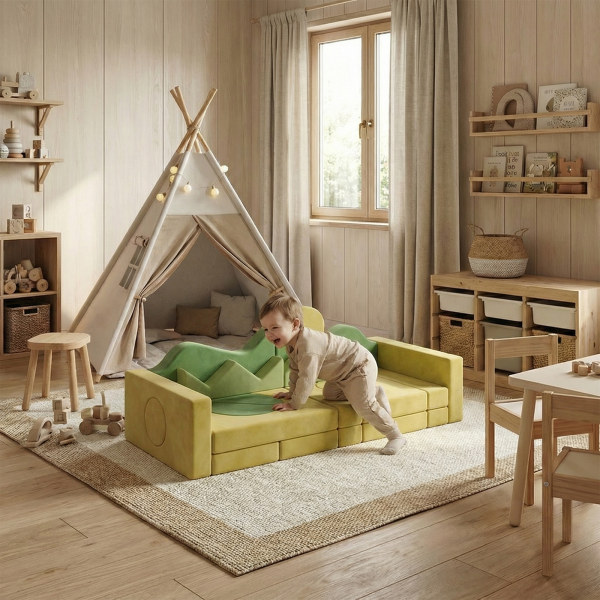
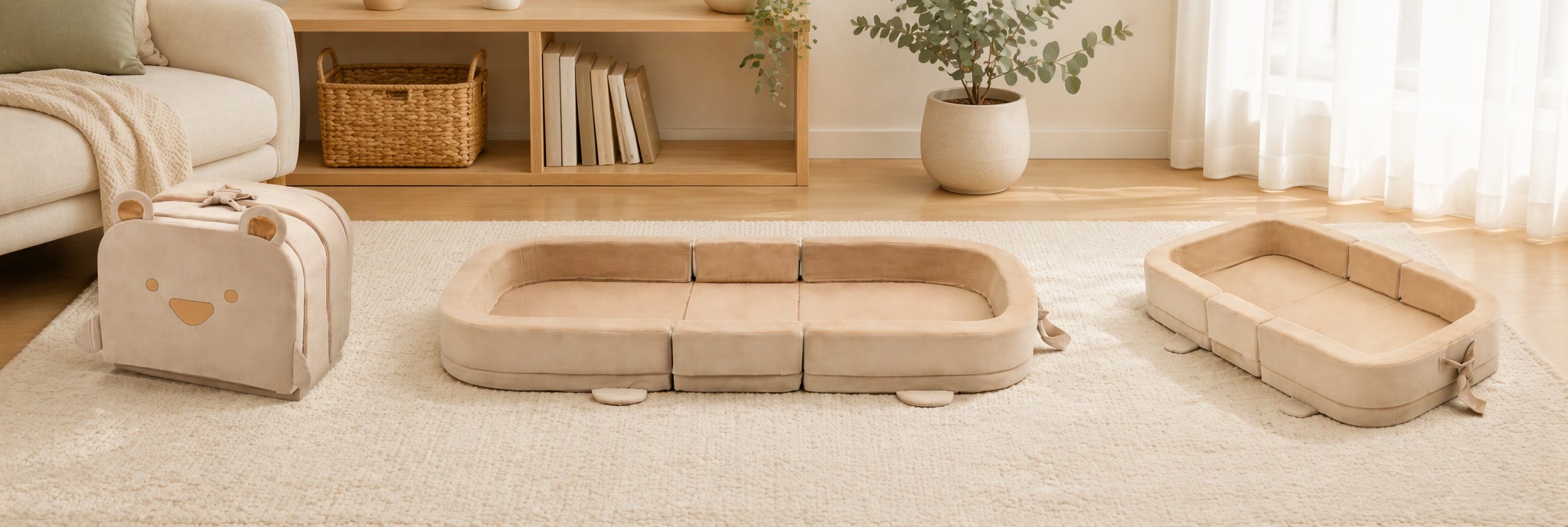
But a travel bed is not defined by folding alone. It needs to fit a clear use scenario, open into a practical soft space, remain manageable when moved and be realistic to clean, pack and reproduce.
For brands developing or evaluating a portable kids travel bed, four decisions deserve attention before the first production order.
A useful starting point is the  custom kids travel bed range, where the product idea can be considered together with its structure, materials, packaging and intended market.
1. Are You Defining the Use Scenario Before the Shape?
2. Does the Folded Product Open Into a Usable Space?
Portability is only valuable when the product remains practical after it is opened.
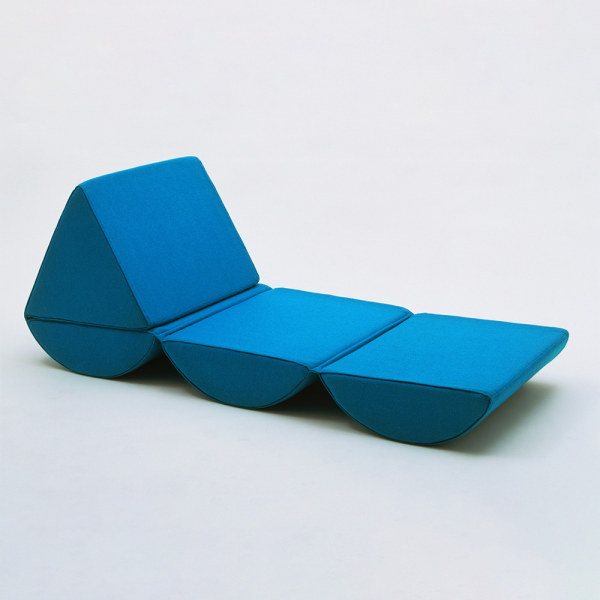
A foldable structure may reduce storage volume, but it can also create a visible fold line, an uneven surface, a change in cover tension or a connection point that needs closer review.
During sampling, buyers should check:
- Does the opened surface remain sufficiently even for the intended use?
- Is the fold line placed away from a sensitive support area?
- Do the mattress and surrounding soft sections remain properly connected?
- Does the cover keep its shape after repeated opening and folding?
- Can the product be stored and carried without unnecessary steps?
These details are difficult to judge from a rendering alone. A physical sample should be opened, folded and reviewed as a complete product. A development partner should also explain how the folding method affects foam selection, cover construction and packaging.
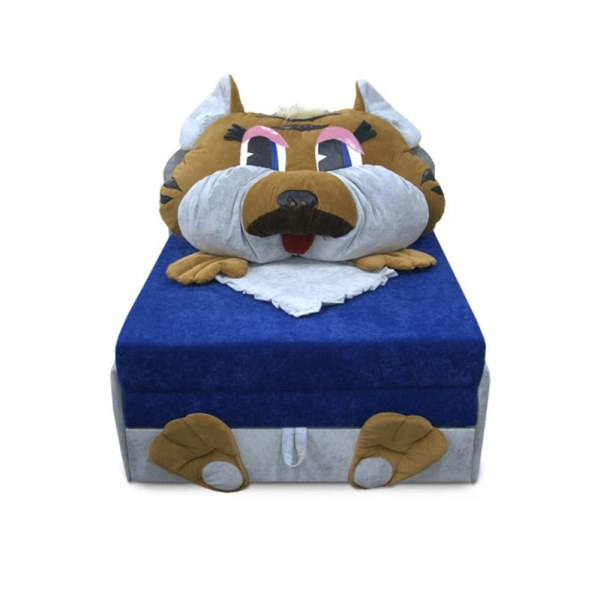
This is especially important for a portable kids travel bed with a distinctive folded form. The visual concept should support handling and storage instead of creating a shape that is difficult to reproduce or pack consistently.
3. Are Foam, Fabric and Maintenance Being Developed Together?
The foam and cover should be treated as one product system.
Foam selection can affect support, thickness, softness, recovery and the way the product folds. The mattress area, side perimeter and supporting sections may not need exactly the same construction.
Fabric affects the finished product in a different way. Weight, stretch, thickness, pile direction, cleaning performance, shrinkage and color consistency can all change the fit and appearance of the cover.
For a private-label or OEM project, buyers should confirm:
- Which foam and fabric combinations suit the intended structure?
- Will the cover remain fitted after folding and recovery?
- Can the cover be removed and reinstalled after cleaning?
- Will fabric shrinkage, color performance and maintenance instructions be documented?
A removable cover may make routine maintenance more practical, but it still needs to return to the correct fit after cleaning. An inner protective layer may help protect the foam, but it can also affect moisture and airflow behavior. These choices should be evaluated according to the intended use and final materials.
Tenderplay’s OEM and ODM development services can support product structure, fabrics, foam options, packaging and branding requirements depending on the project.
4. Is the Packaging Part of the Product Plan?
What Should a Good Kids Travel Bed Manufacturer Contribute?
The difference between a factory and a development partner usually appears before production begins.
A factory can manufacture what is shown in a drawing.
A development partner should also identify where the drawing may create problems in use, cleaning, folding or packaging.
That might mean questioning a fold line that affects the opened surface, recommending a different foam configuration, explaining why a fabric may change the cover fit, or adjusting the structure so the product can be packed and reproduced more consistently.
Tenderplay develops OEM and ODM travel beds and other children’s soft products for brands, retailers and importers. Depending on the project, development can involve product definition, material selection, structural sampling, cover construction, packaging evaluation and preparation for repeat production.
For buyers, a capable partner should be able to:
- define the intended use before locking the shape;
- review folding, carrying and storage requirements;
- match foam, fabric and cover construction to the product role;
- develop physical samples and record approved specifications;
- evaluate packaging and recovery according to the product;
- support relevant material and target-market documentation.
If you want a broader supplier-evaluation framework, our Kids Travel Bed manufacturer sourcing guide covers the questions brands should consider before selecting an OEM partner.
Before Your Next Kids Travel Bed Project
Most travel bed development problems start with the same assumption: that portability is mainly a folding problem.
The structure, foam, fabric, maintenance plan and packaging all affect whether the product works as intended after it leaves the factory.
For brands, better development usually comes from defining the use scenario and testing the complete product before locking the first production specification.
Tenderplay develops custom kids travel beds and other children’s soft products for brands, retailers and importers, including foldable designs, soft structures and private-label development.
If you are developing a new travel bed, discuss your project with our team and share your target market, intended use, preferred structure and packaging requirements before locking the first sample.